 VapeWholesaleHub
Anise Ice Warranty Claims Workflow — Entry-Level Price Points
The most expensive anise ice mistake is not paying too much per unit. It is discovering after three months that the line cannot be reordered to the same standard. Consistency is the actual product.
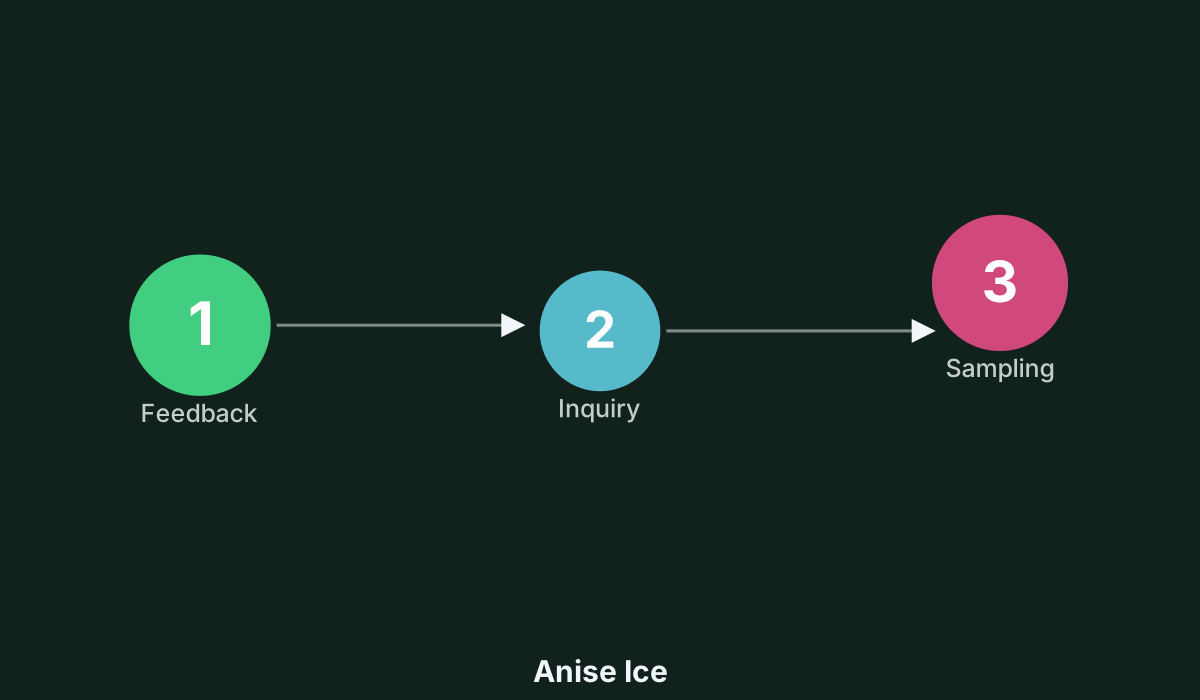
Turning Anise Ice Into Repeats
Keep the anise ice range tidy. A half empty shelf reads as a dying line, and customers interpret it that way faster than any signage can correct.
Staff knowledge moves anise ice more than any fixture. A two minute explanation of the difference between this line and the one next to it converts a browsing shopper into a repeat buyer far more reliably than a discount.
Logistics That Protect Margin
Plan the anise ice customs paperwork at the same time as the order, not when the goods are on the water. A missing document costs more in demurrage than the entire freight saving from a cheap forwarder.
Pricing and Margin
When anise ice input costs move, ask which component moved. A generic price increase hides whether you are paying for cells, packaging or simply a busy production calendar.
Tiered pricing works best when the tiers match real customer behaviour. Most anise ice buyers will take the second tier if the step is modest and the third tier only if they can see a genuine reason to hold more stock.
Indicative reference points for planning purposes: entry tier from USD 1.22 per unit at 2000 units, mid tier at USD 0.72, and volume tier at USD 1.40 for full container quantities. These figures move with specification, packaging and freight, so treat them as a shape rather than a quote.
What to Fix Before Approving Anise Ice
Pay attention to how a anise ice supplier responds when you ask for a tolerance they do not want to commit to. The hesitation is usually more informative than the eventual answer.
Specification sheets are where a anise ice deal is won or quietly lost. Two samples can look and taste the same while using different coil wire, different wicking density and different tolerances on the mouthpiece. Those details decide how the unit behaves in week three rather than minute three.
| Product category | Pod system |
|---|---|
| Resistance band | 1.2 - 1.4 ohm |
| Capacity tolerance | +/- 3% |
| Puff count method | Machine cycle 3s on / 27s off |
| Master carton | 200 units |
| Carton weight | 4.2 kg |
| Shelf life | 18 months |
| Storage | 15-25 C, dry, away from direct light |
Market Signals
Demand for anise ice has been steadily rebalancing. The early phase rewarded whoever could ship fastest; the current phase rewards whoever can ship the same thing twice. That shift favours buyers who invest in specification rather than price shopping.
Flavour cycles in anise ice are shortening, which argues for smaller test orders and faster feedback loops rather than large speculative buys on a predicted winner.
Inspection Before Dispatch
AQL sampling gets a lot of attention, but for anise ice the more useful habit is simply measuring the same three things on every single batch. Trend lines catch problems that pass/fail checks miss.
- Confirm the current customs classification with your own broker.
- Model landed cost, not ex-works price, when comparing quotes.
- Write the complaint threshold into the order terms.
- Agree the tolerance band in writing before approving artwork.
- Start with a mixed carton and let your own sell-through decide.
Practical Checklist
- Keep sealed retained samples from every production batch.
- Plan the switch from air to sea freight before you need it.
- Confirm the current customs classification with your own broker.
- Rotate stock by batch code rather than by delivery date.
- Agree the tolerance band in writing before approving artwork.
- Ask how the factory measures puff count, then compare like with like.
Frequently Asked Questions
How do you handle a short shipment?
Cartons are counted and weighed before dispatch and the figures are shared with you. If something is short on arrival, the packing record and the carrier documentation are both available, which keeps the claim straightforward.
What information do you need to quote?
Target specification, approximate quantity, destination and any packaging requirement. With those four we can usually come back with a costed option the same working day rather than a request for more information.
How long does a anise ice order take to arrive?
Production typically takes ten to eighteen working days after artwork approval, and transit depends on the method you choose. Air express is fastest, sea freight is cheapest at volume. We confirm both at quotation so there is no surprise later.
What happens if my market changes its rules?
Regulations move, and packaging or documentation sometimes has to follow. We keep approved artwork files on hand so that a required change is a reprint rather than a redesign, which keeps the cost and delay down.
Can the packaging be customised?
Yes. Most anise ice programmes use private label packaging once volumes justify the printing plate. We supply dielines, check your artwork for print issues and hold approved files so reorders need no new setup.
Next Step
Whatever you decide, decide it against numbers you can check on arrival. That single discipline removes most of the risk from importing anise ice.
Related Reading
- Anise Ice Electronic Data Interchange for Large Accounts — Replenishment Cycles
- Anise Ice Age Verification at the Point of Sale — Online Sellers
- Anise Ice Shelf Rotation for Multi Site Retailers — Online Sellers
- Anise Ice Import Duty Planning for Distributors — Highly Regulated Markets
- Anise Ice Quality Drift: Catching It Before Customers Do — First-Time Importers
- Anise Ice Payment Terms and Risk Management — EU Markets