 VapeWholesaleHub
Anise Ice Trade Show Buying Tactics — Retail Chains
Everything below applies whether you are ordering one mixed carton or a full container. The numbers scale, but the logic does not change, which is the point of writing it down once.
Market Signals
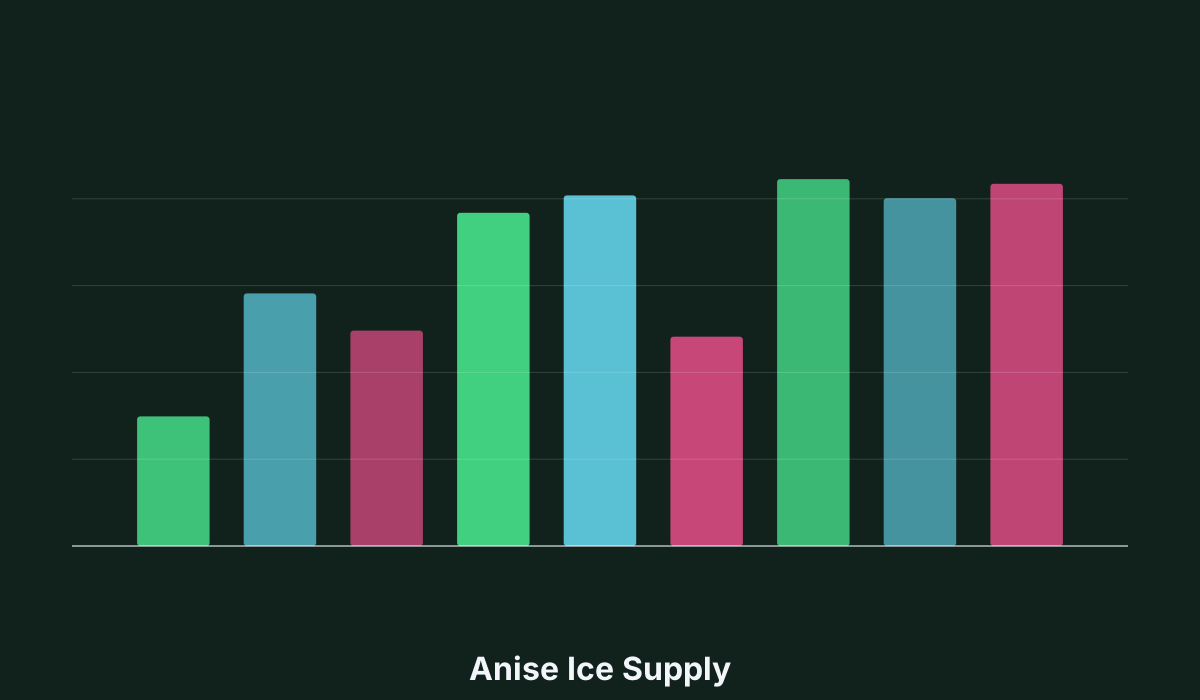
Demand for anise ice has been steadily rebalancing. The early phase rewarded whoever could ship fastest; the current phase rewards whoever can ship the same thing twice. That shift favours buyers who invest in specification rather than price shopping.
Retailers report that anise ice customers are asking more specific questions than they did two years ago. That favours ranges with clear, simple information over ranges with clever marketing.
How Anise Ice Batches Are Checked
AQL sampling gets a lot of attention, but for anise ice the more useful habit is simply measuring the same three things on every single batch. Trend lines catch problems that pass/fail checks miss.
- Model landed cost, not ex-works price, when comparing quotes.
- Rotate stock by batch code rather than by delivery date.
- Start with a mixed carton and let your own sell-through decide.
- Keep sealed retained samples from every production batch.
- Ask how the factory measures puff count, then compare like with like.
Getting Anise Ice to Your Warehouse
Freight is the hidden half of anise ice unit economics. A denser master carton can save more per unit than a hard negotiation on factory price, because the saving repeats on every reorder rather than once.
The Specification That Matters
Specification sheets are where a anise ice deal is won or quietly lost. Two samples can look and taste the same while using different coil wire, different wicking density and different tolerances on the mouthpiece. Those details decide how the unit behaves in week three rather than minute three.
Revisit the anise ice specification after every third order. Small improvements compound, and factories take a buyer more seriously when the document has clearly been used.
| Product category | Refillable kit |
|---|---|
| Resistance band | 0.8 - 1.0 ohm |
| Capacity tolerance | +/- 5% |
| Puff count method | Machine cycle 3s on / 27s off |
| Master carton | 120 units |
| Carton weight | 3.9 kg |
| Shelf life | 12 months |
| Storage | 15-25 C, dry, away from direct light |
Modelling a Healthy Margin
Hold a small anise ice buffer in your pricing model for currency movement. A few percent on a container is a real number, and it is easier to plan for than to absorb.
When you model anise ice pricing, build in a realistic shrink figure. Even a well run line loses a small percentage to damage, expiry and sampling. Pretending that number is zero is how a healthy looking margin turns negative.
Indicative reference points for planning purposes: entry tier from USD 1.71 per unit at 1000 units, mid tier at USD 1.60, and volume tier at USD 0.59 for full container quantities. These figures move with specification, packaging and freight, so treat them as a shape rather than a quote.
Merchandising and Listing Tips
Rotate anise ice facing rather than price for the first month. Visibility changes sell-through more reliably than a small discount, and it does not train customers to wait for offers.
Practical Checklist
- Plan the switch from air to sea freight before you need it.
- Ask how the factory measures puff count, then compare like with like.
- Keep sealed retained samples from every production batch.
- Confirm the current customs classification with your own broker.
- Start with a mixed carton and let your own sell-through decide.
- Model landed cost, not ex-works price, when comparing quotes.
Frequently Asked Questions
What if a batch does not match the sample?
Keep the retained samples from the approval stage. If a delivered batch measurably differs, we compare against the retained set and resolve it against the production record. This is why we insist on sealed retained units from every run.
What is the usual minimum order for anise ice?
For a standard production run the minimum is normally one master carton per flavour, though mixed cartons can be arranged for a first order. If you are testing the line, ask about a sample pack first and treat the freight as part of your research budget.
Can the packaging be customised?
Yes. Most anise ice programmes use private label packaging once volumes justify the printing plate. We supply dielines, check your artwork for print issues and hold approved files so reorders need no new setup.
Do you hold stock for regular customers?
For established programmes we can reserve production slots and, in some cases, hold finished anise ice stock against a forecast. It removes most of the lead time risk from a reorder and is worth discussing once volumes are stable.
Next Step
Nobody wins when a first order is too large to learn from. Start with a mixed carton, check how it moves in your own market, then scale the lines that earned the shelf space.
Related Reading
- Anise Ice Case Study: From First Pallet to Repeat Container — Three Price Tiers
- Anise Ice Regulatory Change Monitoring — the Buying Desk
- Anise Ice Trade Credit and Account Terms — Highly Regulated Markets
- Anise Ice Handling Product Recalls Professionally — Convenience Retail
- Anise Ice Carton Engineering and Freight Density — Oceania
- Anise Ice Electronic Data Interchange for Large Accounts — Online Sellers