 VapeWholesaleHub
Anise Ice Temperature Exposure During Transit — First-Time Importers
This page is written for the person who has to sign the purchase order, not for the person who designed the packaging. If you are weighing up anise ice right now, the sections below follow the order in which the real decisions tend to arrive.

How Anise Ice Batches Are Checked
Random checks are fine, but weight the sample towards the start and end of a anise ice production run. Those are where a line is most likely to drift.
- Ask how the factory measures puff count, then compare like with like.
- Keep sealed retained samples from every production batch.
- Confirm the current customs classification with your own broker.
- Model landed cost, not ex-works price, when comparing quotes.
- Agree the tolerance band in writing before approving artwork.
Freight, Customs and Timing
Split anise ice shipments across two sailings when the order is large enough. It costs slightly more but removes the risk of a single event wiping out a full quarter of stock.
Where Anise Ice Sits in the Range
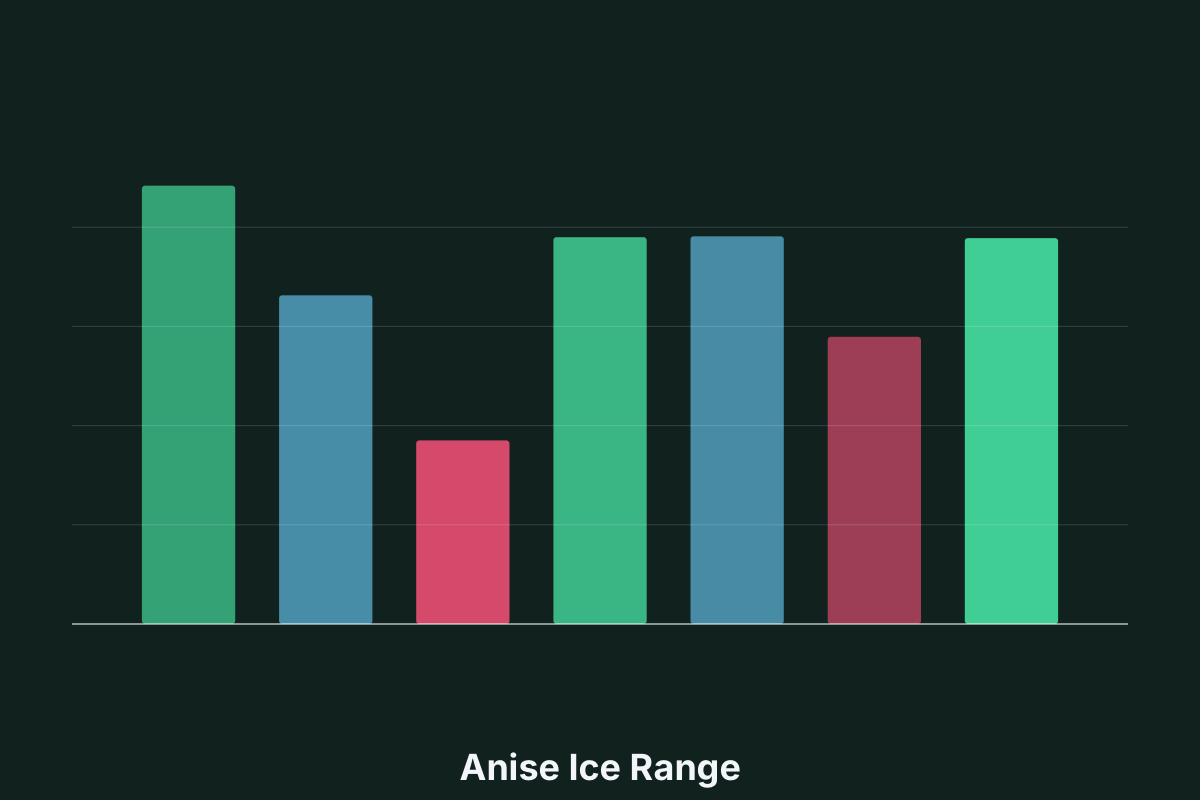
A tight anise ice range with deep availability usually outsells a wide range with thin stock. Customers who find their line in stock come back; customers who are told to wait do not.
Decide early whether anise ice is a traffic driver or a margin line in your store. The answer changes how you price it, where you place it and how hard you push it at the counter.
Merchandising and Listing Tips
Bundle anise ice with a complementary item rather than discounting it outright. The perceived value holds up better and the second item often becomes a repeat purchase on its own.
Bundle anise ice with a complementary item rather than discounting it outright. The perceived value holds up better and the second item often becomes a repeat purchase on its own.
Where Demand Is Heading
Assortment rationalisation is the quiet trend in this category. Shops that cut their anise ice range from twelve lines to five well chosen ones often report higher total sales, not lower.
Practical Checklist
- Plan the switch from air to sea freight before you need it.
- Model landed cost, not ex-works price, when comparing quotes.
- Confirm the current customs classification with your own broker.
- Agree the tolerance band in writing before approving artwork.
- Start with a mixed carton and let your own sell-through decide.
- Rotate stock by batch code rather than by delivery date.
Frequently Asked Questions
Can I visit the production facility?
Yes, and we encourage it for larger programmes. Visits are most useful when you already have a draft specification, because you can then check the specific processes behind the numbers you care about.
How long does a anise ice order take to arrive?
Production typically takes ten to eighteen working days after artwork approval, and transit depends on the method you choose. Air express is fastest, sea freight is cheapest at volume. We confirm both at quotation so there is no surprise later.
What if a batch does not match the sample?
Keep the retained samples from the approval stage. If a delivered batch measurably differs, we compare against the retained set and resolve it against the production record. This is why we insist on sealed retained units from every run.
Do you provide compliance documents?
Every shipment leaves with the documentation set relevant to your market, including batch records and test reports where required. Your local rules still determine what you must file, so confirm those with your broker before import.
Next Step
We would rather quote you accurately and lose the order than quote optimistically and lose the relationship. Ask us the awkward questions early.
Related Reading
- Anise Ice Sell Through Tracking Without Expensive Tools — Busy Buyers
- Anise Ice KPI Set for Wholesale Operations — Southeast Asia
- Anise Ice Import Duty Planning for Distributors — Landed Cost Worked Through
- Anise Ice Counterfeit Risk and Serialisation — Multi-Warehouse Networks
- Anise Ice Packaging Formats That Reduce Damage Claims — Busy Buyers
- Anise Ice Last Mile Delivery for Local Retailers — the Middle East