 VapeWholesaleHub
Anise Ice Safety Stock Levels for Import Programmes — the Middle East
Buyers often ask us to explain why two anise ice samples that look identical behave differently after a month. The answer is almost always tolerance control, and it is more interesting than it sounds.
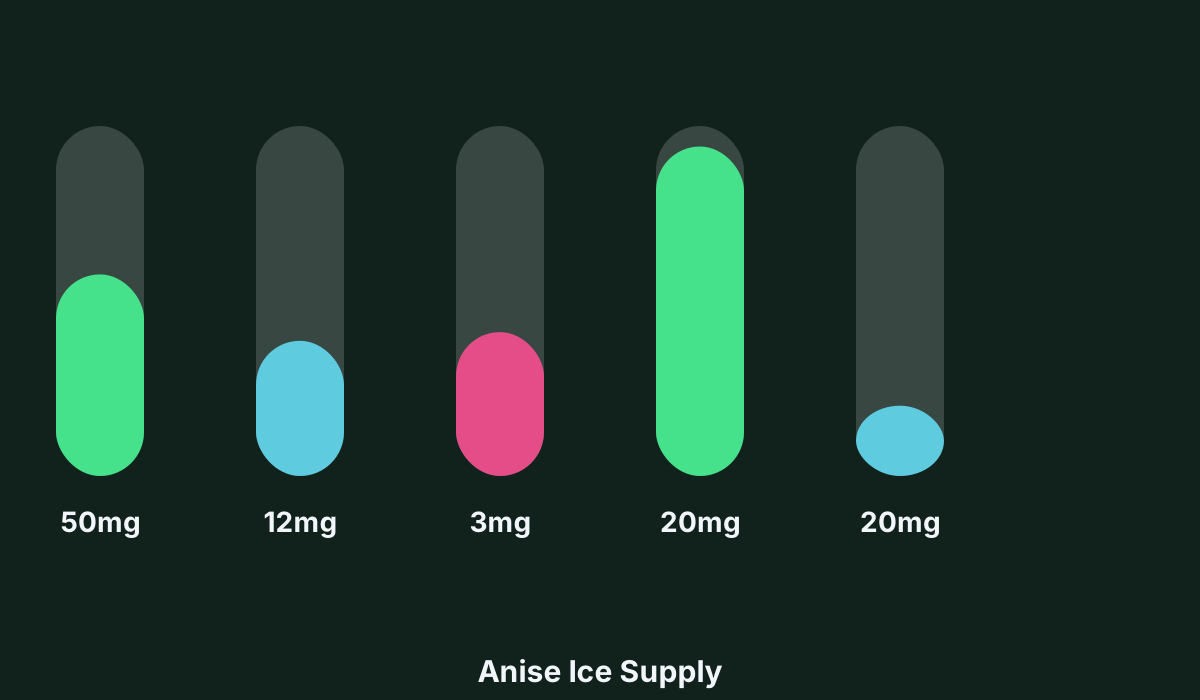
How Anise Ice Batches Are Checked
AQL sampling gets a lot of attention, but for anise ice the more useful habit is simply measuring the same three things on every single batch. Trend lines catch problems that pass/fail checks miss.
- Plan the switch from air to sea freight before you need it.
- Confirm the current customs classification with your own broker.
- Start with a mixed carton and let your own sell-through decide.
- Ask how the factory measures puff count, then compare like with like.
- Rotate stock by batch code rather than by delivery date.
Where Demand Is Heading
One visible change in anise ice is the move towards clearer labelling and traceability. Retailers who adopted batch coding early are finding it much easier to work with larger distributors now.
Demand for anise ice has been steadily rebalancing. The early phase rewarded whoever could ship fastest; the current phase rewards whoever can ship the same thing twice. That shift favours buyers who invest in specification rather than price shopping.
Getting Anise Ice to Your Warehouse
Ask your forwarder for the anise ice transit history on your lane, not the advertised schedule. The gap between the two is the buffer you should build into your reorder point.
Split anise ice shipments across two sailings when the order is large enough. It costs slightly more but removes the risk of a single event wiping out a full quarter of stock.

Turning Anise Ice Into Repeats
On shelf, anise ice sells on clarity. A plain shelf talker that states strength and flavour in two words outperforms a beautifully designed but vague display, because most purchase decisions here take under ten seconds.
On shelf, anise ice sells on clarity. A plain shelf talker that states strength and flavour in two words outperforms a beautifully designed but vague display, because most purchase decisions here take under ten seconds.
What Anise Ice Really Costs Landed
Hold a small anise ice buffer in your pricing model for currency movement. A few percent on a container is a real number, and it is easier to plan for than to absorb.
Discounting anise ice to win shelf space tends to reset customer expectations permanently. Volume support in kind, such as display material, usually costs less in the long run.
Indicative reference points for planning purposes: entry tier from USD 2.00 per unit at 1000 units, mid tier at USD 1.16, and volume tier at USD 1.49 for full container quantities. These figures move with specification, packaging and freight, so treat them as a shape rather than a quote.
Where Anise Ice Sits in the Range
Anise Ice sits at an interesting point in the assortment. It is familiar enough to be an impulse purchase and specific enough to build a repeat pattern around. Treating it as either pure commodity or pure specialty both lead to poor results.
Decide early whether anise ice is a traffic driver or a margin line in your store. The answer changes how you price it, where you place it and how hard you push it at the counter.
Practical Checklist
- Model landed cost, not ex-works price, when comparing quotes.
- Rotate stock by batch code rather than by delivery date.
- Write the complaint threshold into the order terms.
- Keep sealed retained samples from every production batch.
- Confirm the current customs classification with your own broker.
- Agree the tolerance band in writing before approving artwork.
Frequently Asked Questions
Do you provide compliance documents?
Every shipment leaves with the documentation set relevant to your market, including batch records and test reports where required. Your local rules still determine what you must file, so confirm those with your broker before import.
Is there a warranty on anise ice?
Manufacturing defects are covered against the retained sample standard. Normal wear, misuse and damage after opening are not. We publish the threshold in the order terms so both sides know exactly what the claim process looks like.
How do you handle a short shipment?
Cartons are counted and weighed before dispatch and the figures are shared with you. If something is short on arrival, the packing record and the carrier documentation are both available, which keeps the claim straightforward.
Can I mix strengths in one order?
In most cases yes, as long as each strength meets the minimum run length. Mixed strength cartons are popular with retailers building their first display because they show the full ladder without over committing.
Do you hold stock for regular customers?
For established programmes we can reserve production slots and, in some cases, hold finished anise ice stock against a forecast. It removes most of the lead time risk from a reorder and is worth discussing once volumes are stable.
Next Step
Questions that are not answered here are usually the interesting ones. Reach out with the specifics of your market and we will answer with numbers rather than adjectives.
Related Reading
- Anise Ice Dual Sourcing Without Losing Consistency — Regional Distributors
- Understanding Anise Ice Manufacturing From the Inside — Step by Step
- Anise Ice Counterfeit Risk and Serialisation — Highly Regulated Markets
- Anise Ice Last Mile Delivery for Local Retailers — Oceania
- Anise Ice Warranty Claims Workflow — 2026 Edition
- Anise Ice Safety Stock Levels for Import Programmes — Repeat Orders