 VapeWholesaleHub
Anise Ice Protecting Your Private Label Design — Private Label Programmes
There is a version of anise ice that sells through in six weeks and a version that sits in a back room for a year. The difference is rarely obvious from a product photo. Below is the checklist our team uses when a distributor asks us to quote anise ice for the first time.
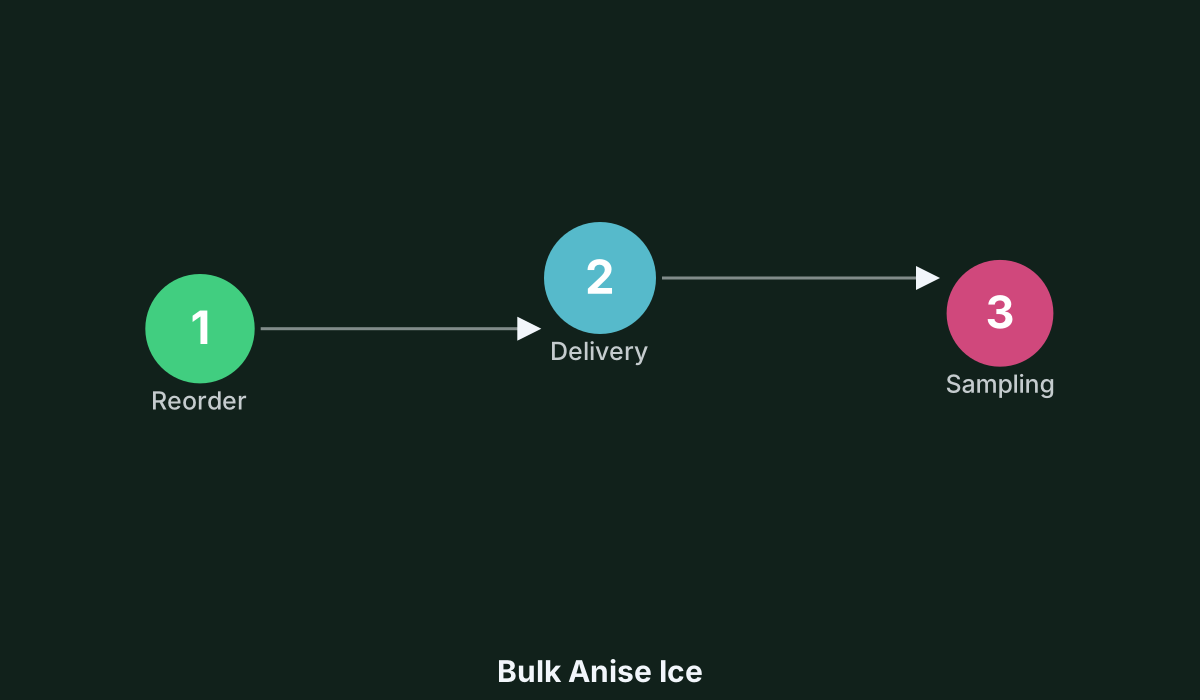
Inspection Before Dispatch
The defect rate that matters is the one your customer experiences, not the one the factory reports. Bridge that gap by inspecting the way a customer would open the box, not the way a line worker packs it.
Inspection is only useful if the result is recorded somewhere you can find it later. A anise ice batch log with weights, codes and measurements turns a future complaint into a five minute lookup.
- Agree the tolerance band in writing before approving artwork.
- Plan the switch from air to sea freight before you need it.
- Ask how the factory measures puff count, then compare like with like.
- Check carton dimensions against your freight quote before confirming.
- Write the complaint threshold into the order terms.
Getting Anise Ice to Your Warehouse
Air freight makes sense for a first anise ice order when you need to test demand quickly, but almost every steady programme moves to sea freight once volumes stabilise. Planning that switch early avoids a painful margin squeeze later.
Plan the anise ice customs paperwork at the same time as the order, not when the goods are on the water. A missing document costs more in demurrage than the entire freight saving from a cheap forwarder.
Reading a Anise Ice Spec Sheet
Specification sheets are where a anise ice deal is won or quietly lost. Two samples can look and taste the same while using different coil wire, different wicking density and different tolerances on the mouthpiece. Those details decide how the unit behaves in week three rather than minute three.
| Product category | Accessory |
|---|---|
| Resistance band | 0.6 - 0.8 ohm |
| Capacity tolerance | +/- 3% |
| Puff count method | Machine cycle 3s on / 27s off |
| Master carton | 240 units |
| Carton weight | 7.9 kg |
| Shelf life | 18 months |
| Storage | 15-25 C, dry, away from direct light |
Merchandising and Listing Tips
Put anise ice where the decision is made, not where the margin is highest. In most stores that means near the counter or at eye level in the category, rather than wherever there is spare space.
Staff knowledge moves anise ice more than any fixture. A two minute explanation of the difference between this line and the one next to it converts a browsing shopper into a repeat buyer far more reliably than a discount.
Trends Worth Watching
Retailers report that anise ice customers are asking more specific questions than they did two years ago. That favours ranges with clear, simple information over ranges with clever marketing.
Demand for anise ice has been steadily rebalancing. The early phase rewarded whoever could ship fastest; the current phase rewards whoever can ship the same thing twice. That shift favours buyers who invest in specification rather than price shopping.
Pricing and Margin
Compare anise ice quotes on the same incoterm. A price that looks better because it excludes a cost you assumed was included is not a saving at all.
Indicative reference points for planning purposes: entry tier from USD 1.94 per unit at 500 units, mid tier at USD 0.79, and volume tier at USD 1.21 for full container quantities. These figures move with specification, packaging and freight, so treat them as a shape rather than a quote.
Practical Checklist
- Confirm the current customs classification with your own broker.
- Rotate stock by batch code rather than by delivery date.
- Agree the tolerance band in writing before approving artwork.
- Start with a mixed carton and let your own sell-through decide.
- Ask how the factory measures puff count, then compare like with like.
- Keep sealed retained samples from every production batch.
Frequently Asked Questions
How should anise ice be stored?
Cool, dry and out of direct sunlight. Heat and light are the two things that shorten shelf life fastest. Rotate stock by batch code rather than by arrival date, and keep cartons off concrete floors in humid warehouses.
What if a batch does not match the sample?
Keep the retained samples from the approval stage. If a delivered batch measurably differs, we compare against the retained set and resolve it against the production record. This is why we insist on sealed retained units from every run.
Can I visit the production facility?
Yes, and we encourage it for larger programmes. Visits are most useful when you already have a draft specification, because you can then check the specific processes behind the numbers you care about.
What information do you need to quote?
Target specification, approximate quantity, destination and any packaging requirement. With those four we can usually come back with a costed option the same working day rather than a request for more information.
Do you provide compliance documents?
Every shipment leaves with the documentation set relevant to your market, including batch records and test reports where required. Your local rules still determine what you must file, so confirm those with your broker before import.
Next Step
Questions that are not answered here are usually the interesting ones. Reach out with the specifics of your market and we will answer with numbers rather than adjectives.
Related Reading
- Anise Ice Chargeback Prevention for Retail Partners — Established Chains
- Reducing Returns on Anise Ice Through Better Specs — Freight Included
- Reducing Returns on Anise Ice Through Better Specs — Step by Step
- Anise Ice Factory Visit Preparation Checklist — Private Label Programmes
- Anise Ice Emissions and Leak Testing Methods — a Factory Floor View
- Anise Ice Trade Credit and Account Terms — Retail Chains